Managing a portfolio of independent software products

· 5 min read · All notes

Building an independent software studio isn't about chasing the next viral hit; it’s about building a sustainable ecosystem of products that solve real problems for specific people. For us at Surfzone, this meant moving away from the "one-hit wonder" model and toward a multi-product portfolio where each tool serves a distinct niche while contributing to a unified studio identity.

The Case for a Multi-Product Portfolio

The most significant risk for any independent software studio is over-reliance on a single product or a single market segment. When your entire business depends on one user base, a shift in platform algorithms, a change in competitor pricing, or a decline in interest in that specific niche can be catastrophic. By building a multi-product portfolio, we distribute that risk across different demographics and technical ecosystems.

For example, while one of our products serves the home automation community, another caters to amateur radio operators. These are two entirely different user bases with different purchasing habits and engagement patterns. If interest in smart-home technology fluctuates, our tools for ham radio enthusiasts remain unaffected. This diversification provides a buffer that allows us to stay stable and focused on quality rather than panic over market shifts.

Furthermore, a multi-product portfolio allows you to build brand authority as an independent software studio. Instead of being "the people who made that one app," you become the team that builds high-quality tools for various specialized needs. This transition from a single product to a studio creates a more resilient foundation for growth and provides a broader platform for your expertise to shine.

Defining the Portfolio: Solving Specific Problems

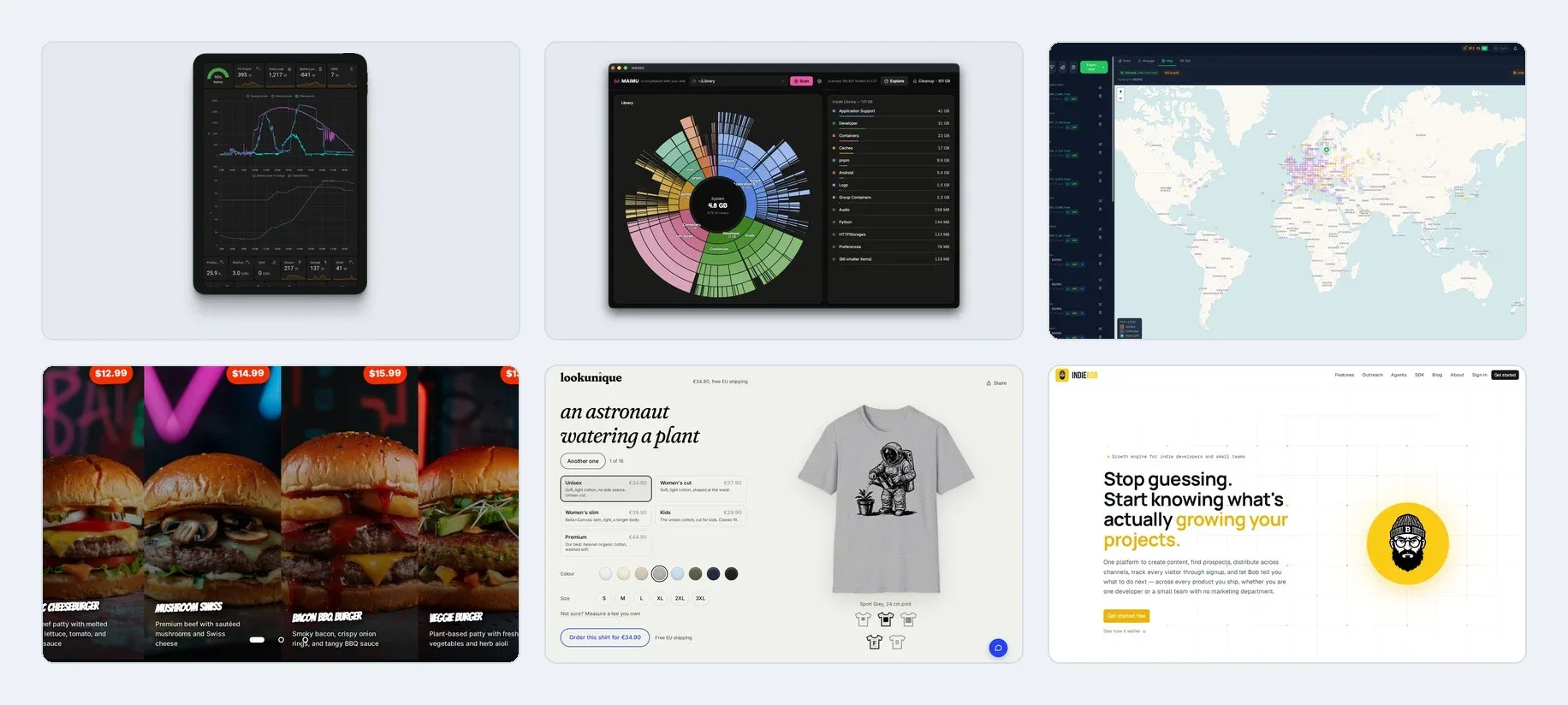
The logic behind Surfzone’s portfolio is rooted in solving problems we encountered ourselves first. We don't build for the sake of having more products; we build because there was a gap that needed filling. Each tool is designed as a "small, sharp tool"—focused on doing one thing exceptionally well.

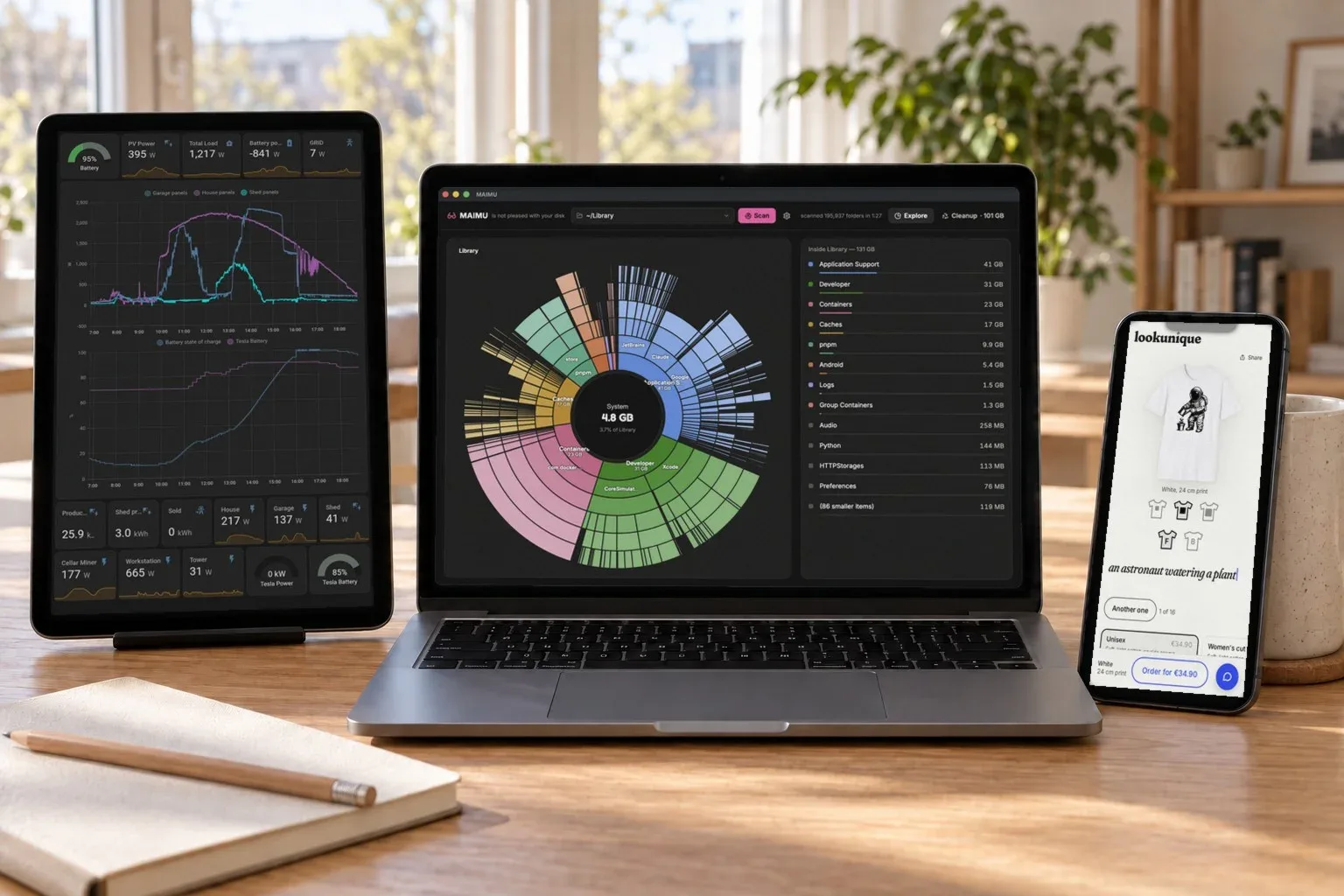
HAkiosk serves those needing to turn Android tablets or iPads into reliable kiosks. It addresses specific needs like face-detect wake and specialized integration for Home Assistant users. On the other end of the spectrum, MAIMU provides a way for Mac users to visualize their disk space and target large files over 250 MB—a high-intent problem for anyone struggling with storage management.

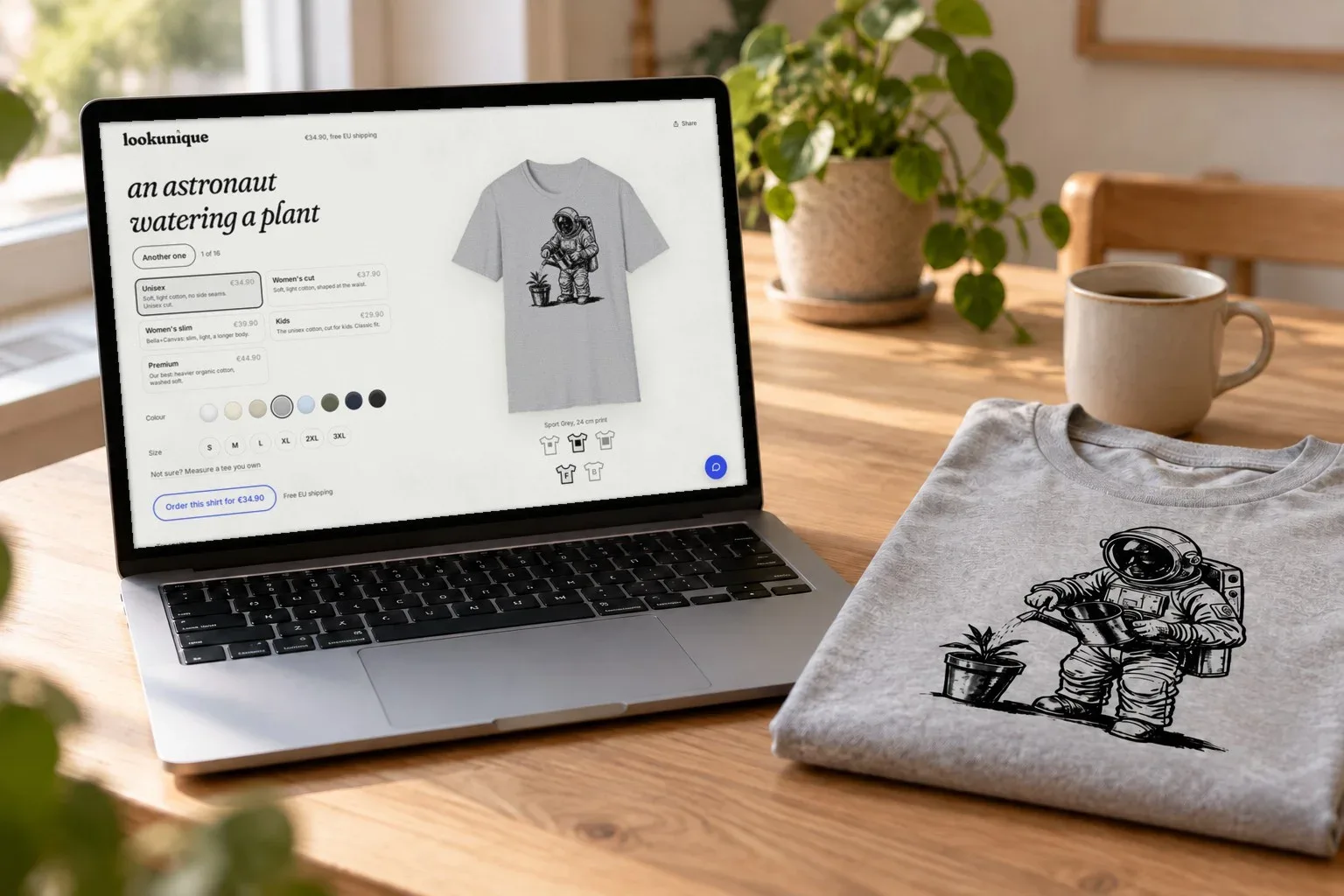
QSL Buddy serves the amateur radio community, providing a free web app for logging contacts with features like POTA and WWFF session tracking. Then there is MenuMog, which addresses the needs of café and restaurant owners by providing digital menus on TVs or tablets. Finally, IndieBob was born from our own need to manage this variety. It is the tool we built to handle the marketing, content, and analytics for the other four products.

By moving from a single tool to a studio model, we have identified high-intent niches where users are actively looking for solutions. These aren't massive general markets; they are specific groups who need reliable tools that "just work." This approach allows us to scale by expanding our reach into different communities without losing the core focus on quality and utility.

Managing Operations with a Small Team

One of the biggest challenges in software studio management is the reality of limited resources. As a two-person team, we cannot afford to waste time on inefficient processes or "busy work." To manage five products simultaneously, we had to establish clear technical boundaries between each tool. Each product should feel like its own entity; a bug in one must not impact the others, and the codebase for one should not be cluttered with features intended for another.

By keeping these tools technically distinct, we ensure that our updates remain targeted. When we work on HAkisk, we are focusing only on what it needs to do well. This isolation prevents "scope creep" from bleeding across the portfolio and keeps the development cycle manageable. It allows us to provide high-quality support because we can quickly isolate where a user's issue is occurring.

Furthermore, maintaining a consistent indie developer workflow means identifying tasks that can be systematized. We cannot spend every day manually formatting blog posts or chasing different marketing metrics for five different sites. By standardizing how we handle documentation, bug reporting, and deployment, we reduce the mental load on the team. This discipline is what allows us to maintain several products without burning out.

Leveraging Internal Tools to Scale Growth

As an independent software studio grows, the "founder tax" becomes a significant hurdle. The founder tax is the amount of time founders spend on tasks that are not core to the product—like social media management, content creation, and manual data analysis. To mitigate this, we built IndieBob as our internal infrastructure for scaling.

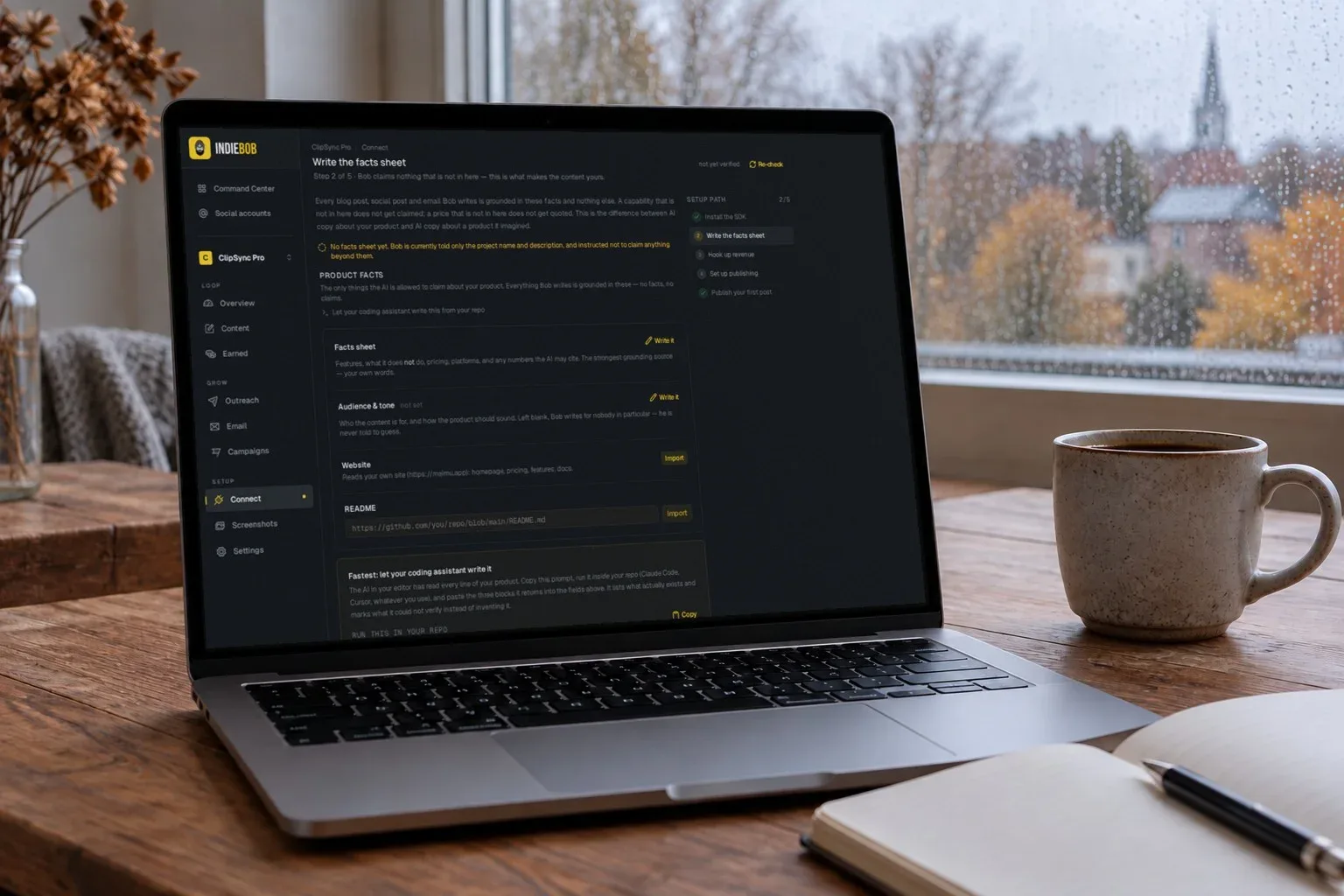
IndieBob allows us to automate the marketing and content workflows required to manage a multi-product portfolio. It provides analytics without cookies, ensuring that even while we grow, we respect user privacy. More importantly, it uses a fact sheet to ground its AI-driven drafts, ensuring that any content produced—whether for social media or email—remains accurate to the specific product's capabilities.

For example, instead of manually drafting posts for our five products across six different platforms, IndieBob handles the heavy lifting. It generates high-quality content and even provides a "Do Next" list to keep us focused on the most impactful tasks. This means we can scale our reach without increasing our headcount. By automating these repeatable processes, we reclaim time to focus on what truly matters: building better tools for our users.

Building for Longevity in an Independent Software Studio

The ultimate goal of an independent software studio is longevity. We aren't looking for a quick exit or a massive, unsustainable spike in growth that leads to burnout. We want to build tools that we—and our users—can rely on for the long haul. This requires prioritizing sustainability over hyper-growth. A steady, growing user base for five different products is more stable than a volatile peak for one.

A unified studio identity like Surfzone is essential for this longevity. While each product has its own site and purpose, they are all backed by the same commitment to quality. When people see "Surfzone" on a product page, they know it means a tool that is well-maintained and built to last. This trust is our most valuable asset as we grow.

For developers looking to move toward a multi-product model, here are three actionable steps:

  1. Identify high-intent problems you have personally faced; these make the best "sharp tools."
  2. Build technical boundaries between your products early to ensure easier maintenance and support.
  3. Automate the "founder tax" by building or using internal tools like IndieBob to handle marketing, content, and analytics as you scale.

By focusing on specific problems and automating the repetitive parts of studio management, we can build a sustainable business that rewards us for years to come.

Sign up for IndieBob to automate the marketing and content workflows required to manage your own software portfolio.

Written with IndieBob